Beginner vs. Intermediate Pickleball Paddles: What’s the Difference?
Updated December 2025
Not sure which paddle fits your game? Here’s how to tell the difference between beginner and intermediate pickleball paddles, and how to choose the right one.
Beginner vs. Intermediate Paddles: Quick Summary
|
Feature |
||
|
Weight Range |
Light to midweight (7.2–8.0 oz) |
Midweight (7.8–8.4 oz) |
|
Surface Material |
Fiberglass or basic composite |
Raw carbon fiber or graphite |
|
Core Thickness |
13–14mm |
|
|
Spin Capability |
Minimal |
Moderate to high |
|
Price Range |
$40–$90 |
$90–$150+ |
|
Ideal For |
Learning control, forgiveness |
Players improving consistency, touch, and spin |
What Makes a Paddle Beginner Friendly?
Lightweight for Faster Reaction Time
A paddle in the 7.2–7.8 oz range helps new players move quickly and respond to fast rallies without tiring the wrist or forearm.
Larger Sweet Spot for Forgiveness
Beginner paddles often feature wider faces and standard shapes that offer more forgiveness on off-center hits.
Basic Grip and Core Materials
Most use fiberglass or composite surfaces with a 13mm core to create a blend of responsiveness and affordability.
Lower Price Point for Casual Players
Beginner paddles often fall between $40 and $90, making them ideal for those not ready to invest heavily yet.
What Defines an Intermediate Paddle?
Thicker Cores for Touch
A 14mm or 16mm core adds dwell time, which helps with softer resets, finesse shots, and blocking power returns.
Spin Friendly Surfaces (e.g. Carbon Fiber)
Intermediate paddles usually introduce gritty or raw carbon fiber faces, which help grip the ball and add topspin or slice.
Better Balance of Power and Control
While still forgiving, these paddles give players more shot variety and precision once mechanics improve.
Designed for Improving Players
Once you’re playing regularly and starting to refine placement, dinks, and third-shot drops, intermediate paddles support that growth.
Feature Comparison: Side-by-Side Table
|
Feature |
||
|
Weight Range |
7.2–7.8 oz |
7.8–8.4 oz |
|
Surface |
Fiberglass/Composite |
Raw Carbon/Graphite |
|
Core Thickness |
13–14mm |
14–16mm+ |
|
Spin Potential |
Low |
Moderate to high |
|
Sweet Spot |
Wide/forgiving |
More defined |
|
Cost |
$40–$90 |
$90–$150+ |
Which One Should You Choose?
If You’re Just Getting Started…
Go with a beginner paddle that makes the game more forgiving. Focus on paddles with wider faces, larger sweet spots, and simple grip comfort. There’s no need to overpay when you’re still learning the basics of placement and reaction time.
If You’re Improving and Want More Spin or Control…
Consider upgrading to an intermediate paddle with a raw carbon surface or 16mm core. You’ll notice a huge difference in shot finesse and how well you can spin or reset under pressure.
Learn about control paddles →
Learn about spin paddles →
Weight matters too →
Recommended Beginner Paddles
- Niupipo Pickleball Paddle Set — Great value for first-timers, includes 2 paddles + balls.
- Amazin’ Aces Graphite Paddle — Lightweight and easy to swing, perfect for control.
- JOOLA Essentials Paddle — USAPA approved, trusted brand starter option.
Recommended Intermediate Paddles
- CRBN 2 Series (14mm or 16mm) — Raw carbon surface for elite spin.
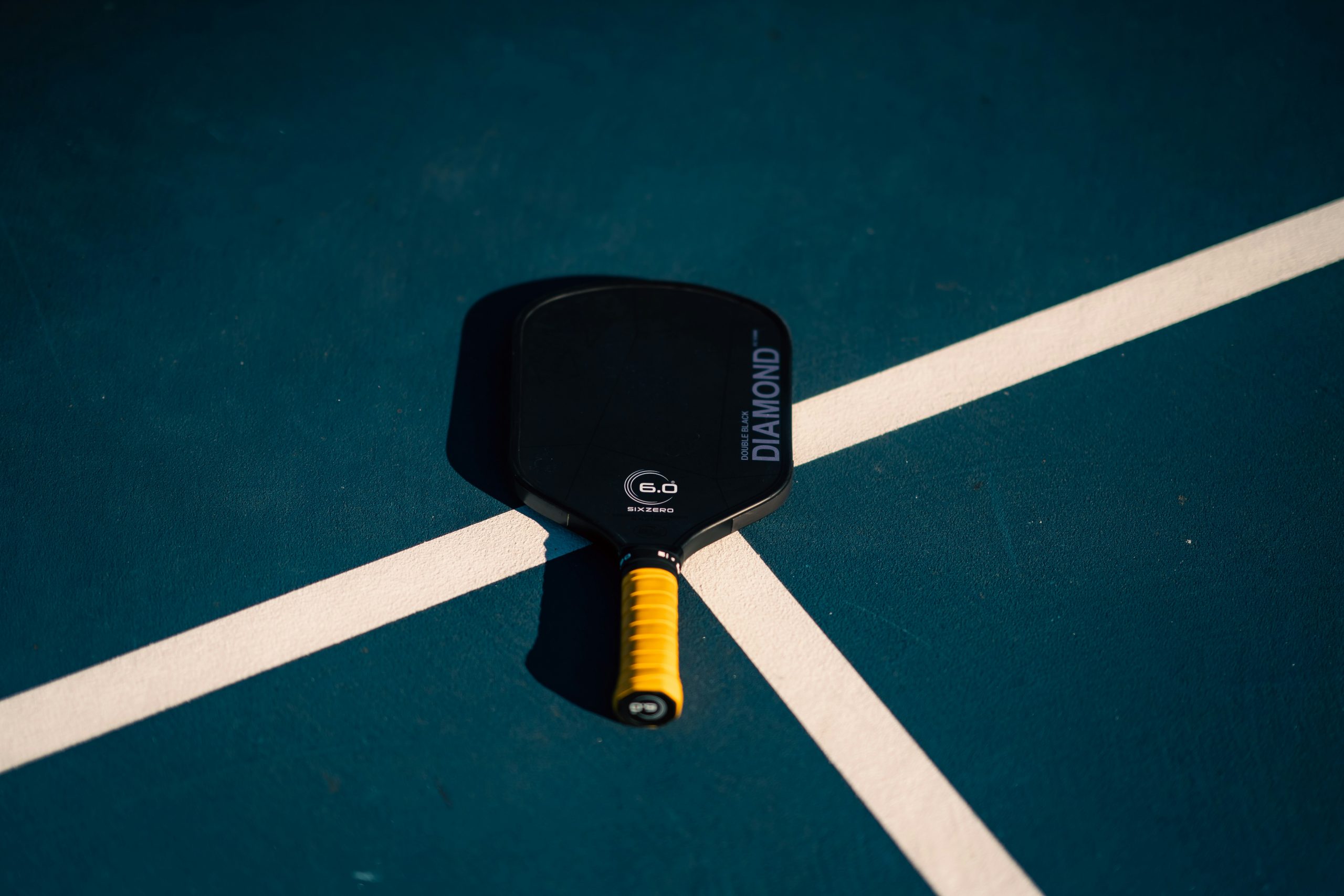
- Six Zero Double Black Diamond Control — Balanced control and spin for progressing players.
- Selkirk SLK Halo Max — Comfortable grip with spin-ready surface.
Final Thoughts: Progression Matters
Choosing a paddle that fits your current skill level helps you improve faster. Don’t jump to the flashiest model, start where you are, and upgrade as your technique grows. Whether you’re dinking in your driveway or training for league play, the right paddle makes a difference.
Not sure where you stand? Check out our beginner and intermediate paddle picks to match your skill level.
FAQs
Can a beginner use an intermediate paddle?
Yes, especially if you’re athletic or already picking up the game quickly. Just make sure the paddle isn’t too heavy or stiff.
How do I know when I’m ready to upgrade?
If you’re playing regularly and starting to focus on spin, resets, or soft game tactics, it’s a good time to move to an intermediate paddle.
Are intermediate paddles harder to control?
Is it worth spending more early on?
Only if you know you’ll stick with the game. For most players, starting with a quality beginner paddle is the smarter move.
What if I want spin but I’m still a beginner?
There are some beginner friendly paddles with textured surfaces. Look for hybrid paddles that balance forgiveness and spin potential.